
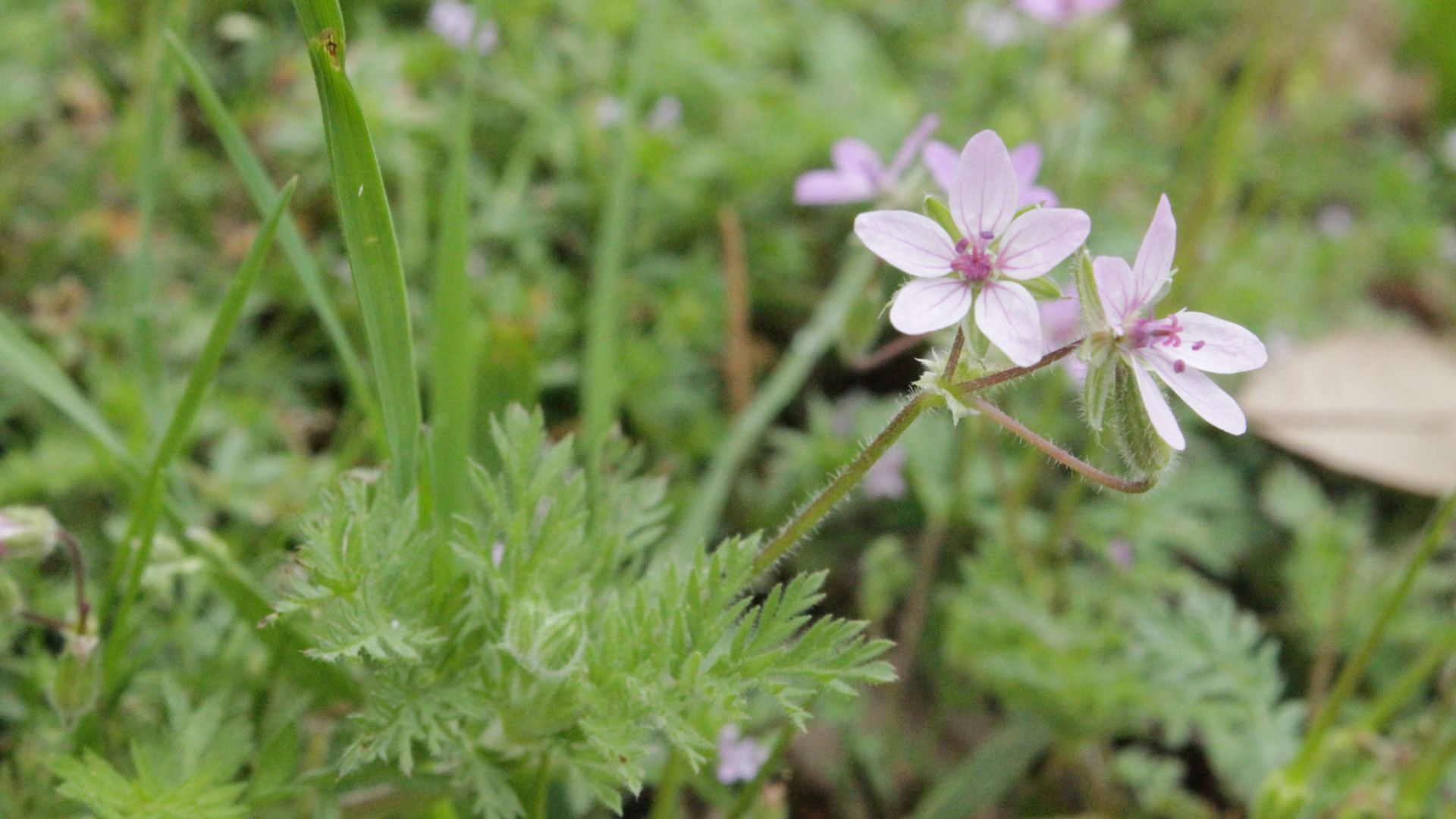
Spring is here, and so too are wildflowers! In honor of Earth Day, we at The Lasso took a nature walk around campus to see what’s growing. This is what we found!
Please note that while some of these are edible, do not ingest anything you find on campus or in most urban areas, as they are sprayed and treated with various pesticides and are often subject to roadside contamination.
1. White Clover (Trifolium repens)
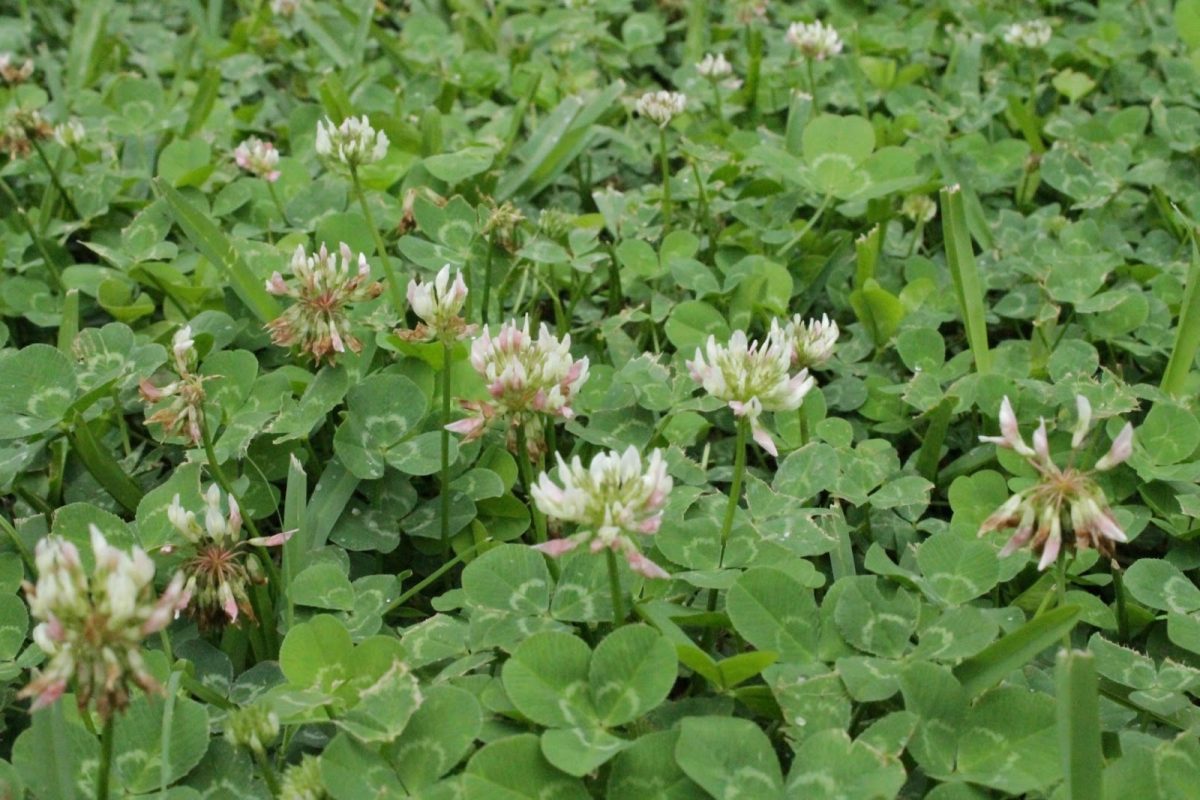
This plant can be found growing all over campus, and is actually edible! It is most often made into tea and was traditionally used to treat minor cold symptoms. Clover species are in the genus Trifolium, named for its three-leaved members. This can be seen in the photo; notice how all the leaves are in groupings of three.
2: Common Yellow Wood Sorrel (Oxalis stricta)
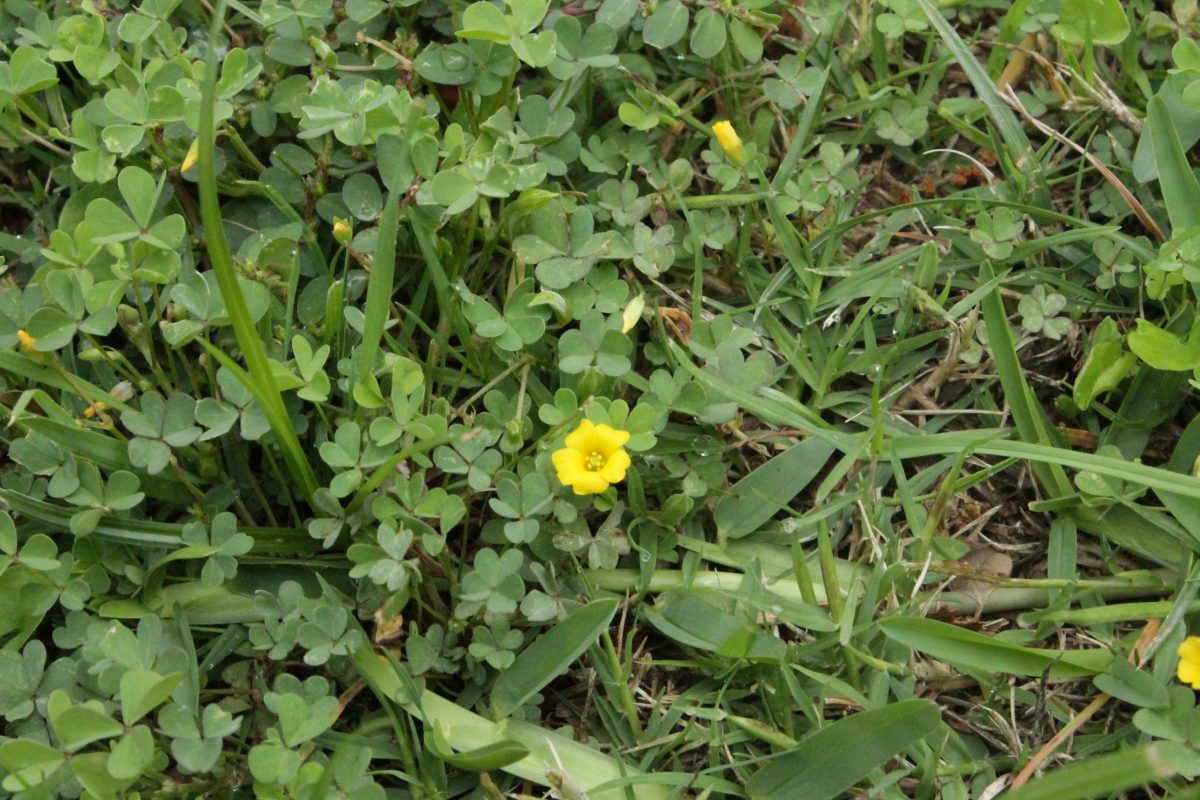
The second of the two edible plants on this list, yellow wood sorrel, boasts very cute little yellow flowers that have a bright, tart flavor. I know a few people who like to add them to salads when they have the patience to harvest them. This plant is often confused for a species of clover due to its leaves, which grow in groups of three, but it is not a clover.
3: Blue Field Madder (Sherardia arvensis)
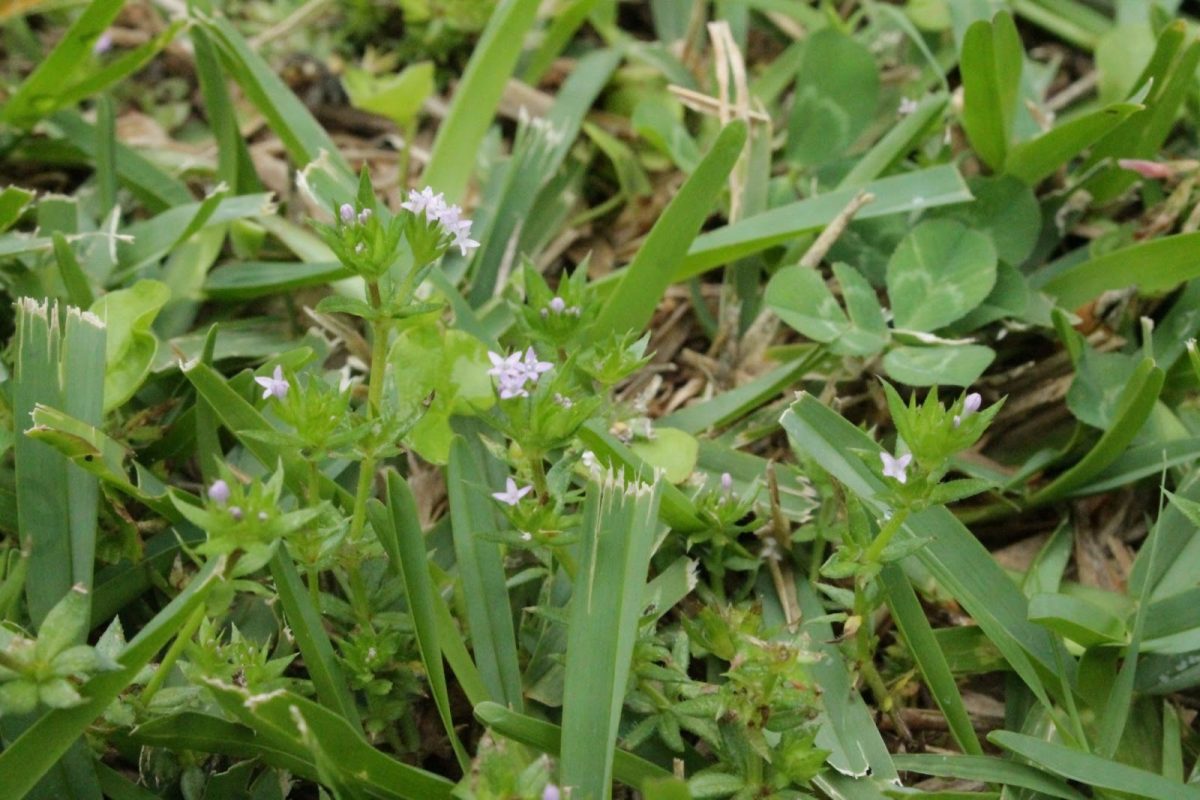
Blue field madder is a lovely little flowering plant that likes to remain low to the ground. It has tiny four-petaled blueish-purple flowers and grows in fields and forests alike. Plants in this genus (and even this specific species) have been naturalized on several continents, including North America, Africa, Europe and Asia.
4: Pink Evening Primrose (Oenothera speciosa)
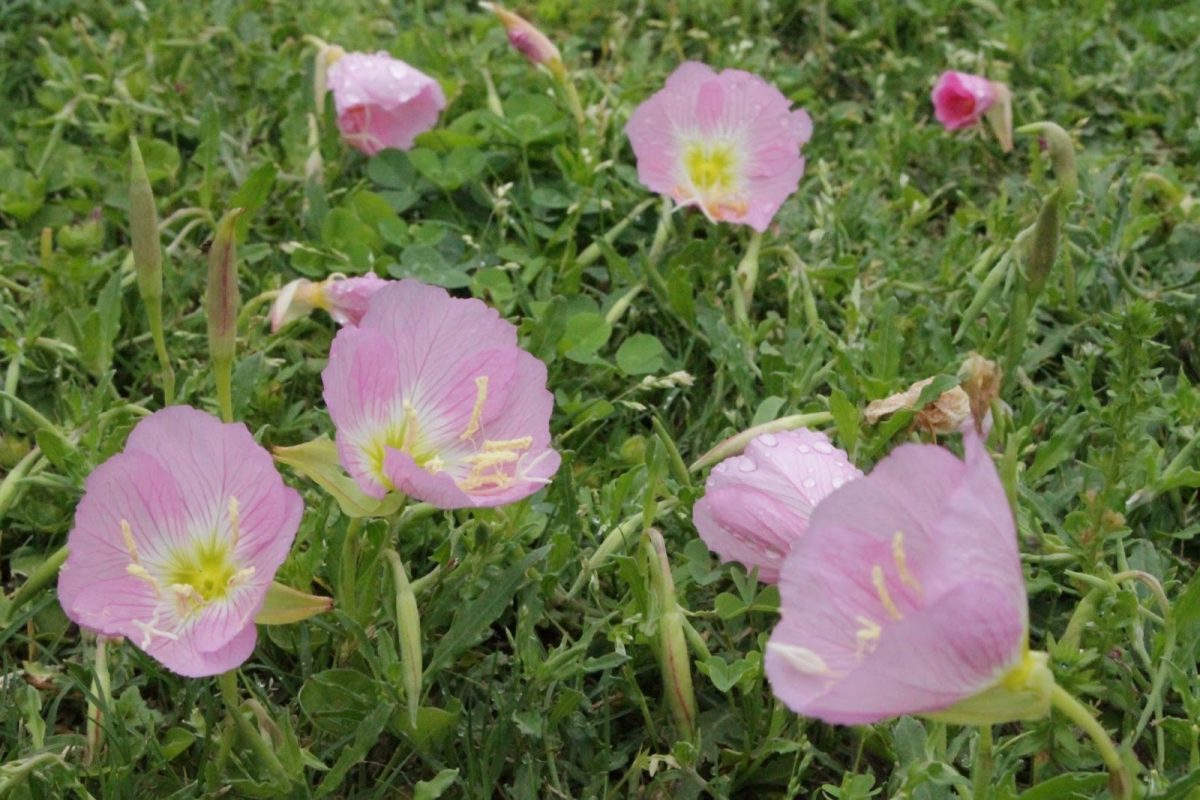
Pink evening primrose is a perennial flower that blooms in spring, summer and fall, though fall blooms are much rarer in North Texas. It is both native and widespread in North America, and is one of the first flowering plants you’ll see pop up in the spring. Be warned, though: if you decide to plant this in your garden, you’ll either never get it to grow or you’ll never get rid of it.
5: Crow Poison (Nothoscordom bivalve)
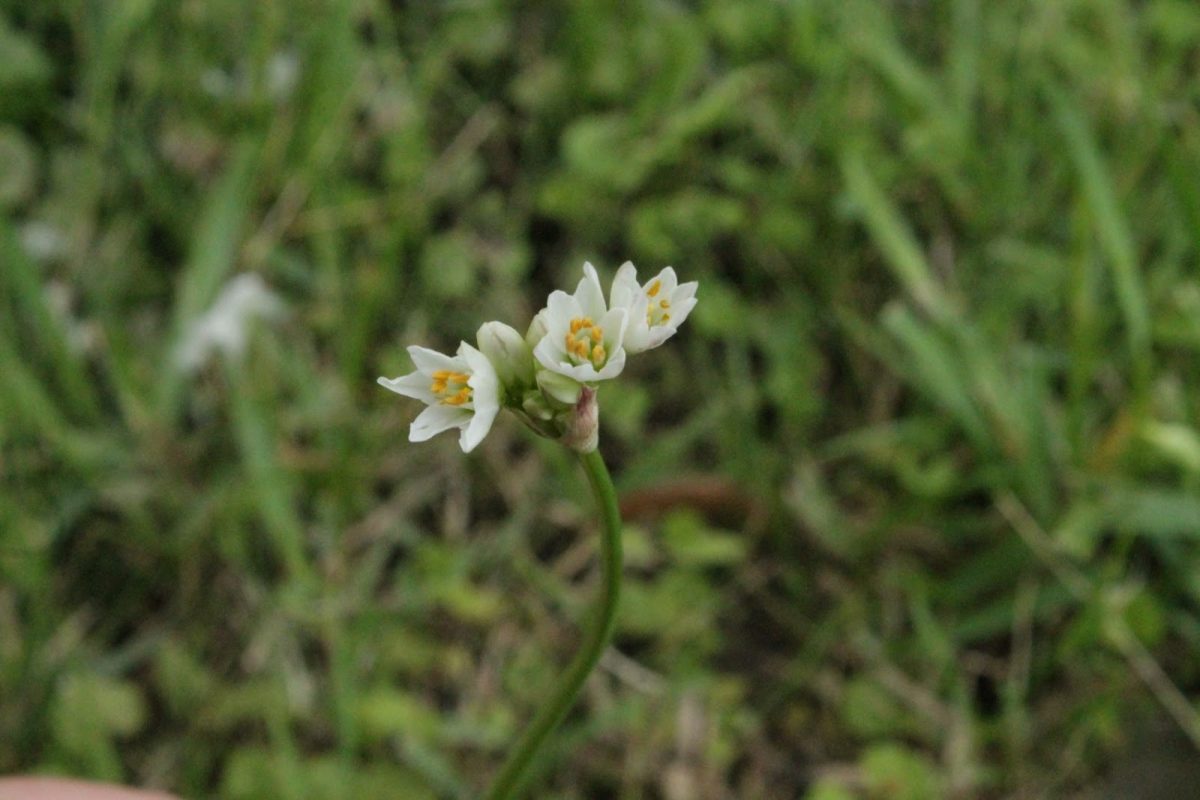
This is one of my favorites! Crow poison is very common in the southern United States and is sometimes mistakenly identified as a species of wild onion, which it is not. In fact, crow poison is toxic to humans, but even more so to most animals (hence the name). Remember, folks, if it doesn’t smell like an onion, it’s not an onion.
6: Stork’s-bill (Erodium cicutarium)
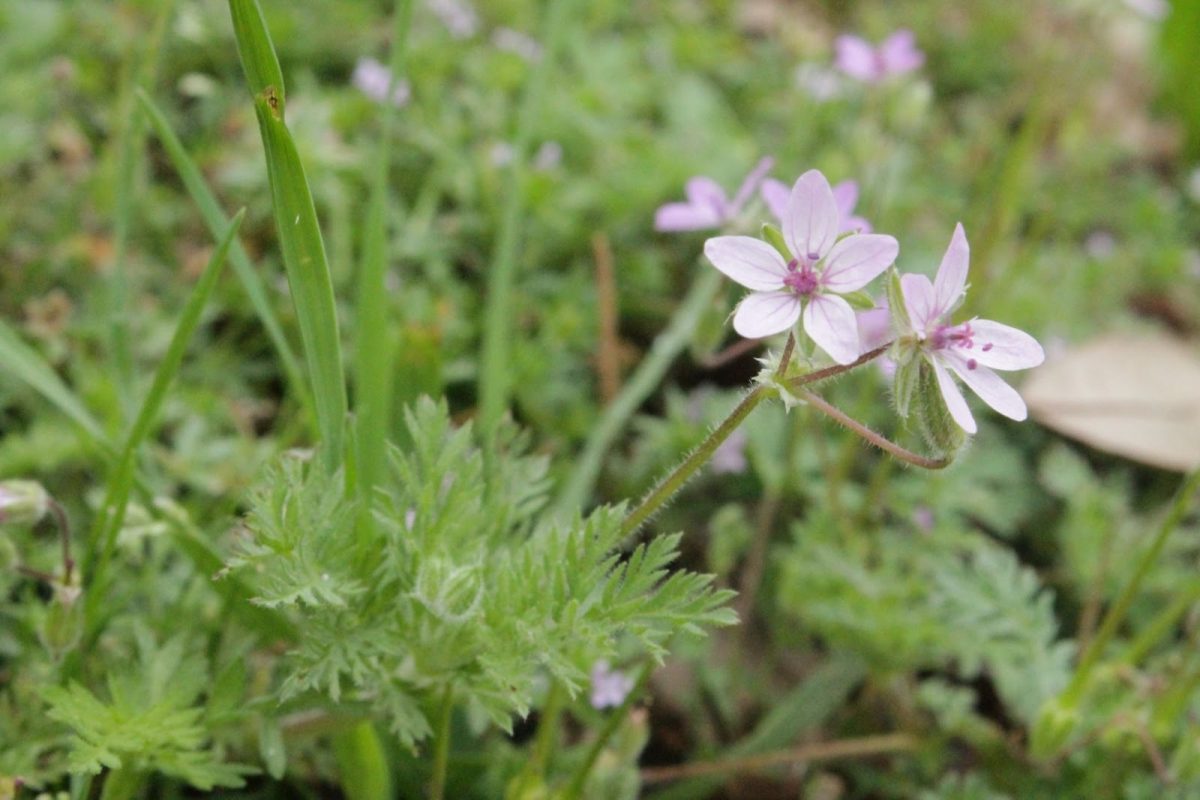
Stork ’s-bill is a fun little plant! It gets its name from its seed pods, which resemble the bill of a stork. In late fall, when the plant goes to seed, these pods will actually curl downwards and attempt to bury themselves in the earth to ensure reseeding.
7: Horseherb (Calyptocarpus vialis)
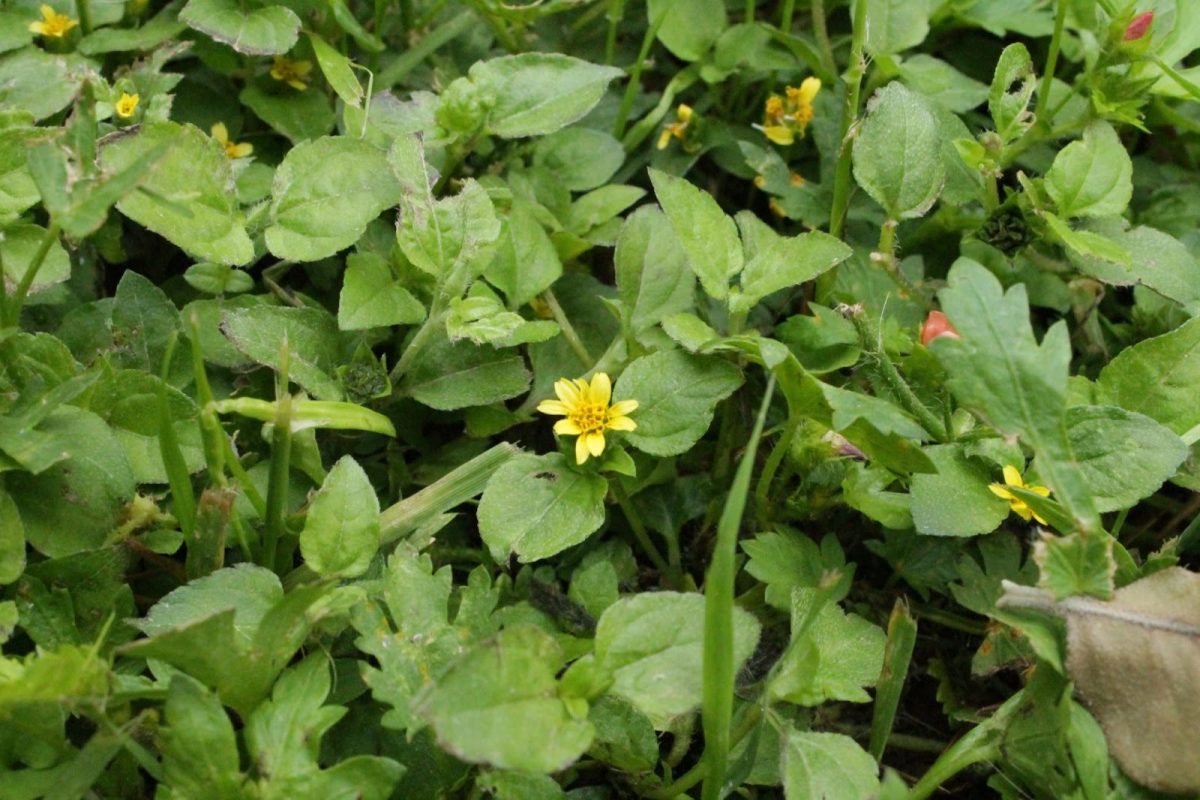
Horseherb is a low-growing perennial that is becoming increasingly popular in landscaping as a lawn alternative, to my great joy. It has beautiful little yellow flowers that, if you look closely at the image, have what appear to be a cluster of even smaller flowers in the center. This is referred to as “inflorescence,” or a “compound flower.” They have the added benefit of being very popular with pollinators, which makes them a great choice if one needs to cover a lot of ground.
If you perhaps found any of this interesting, I would urge you to check out both the Ladybird Johnson Wildflower Center and Merriweather’s Foraging Texas! Both are great resources for plant identification and are completely free. I use them both regularly, though I admit I prefer Merriweather’s. Happy foraging, and happy Earth Day!
Ari Costulis can be contacted via email at acostulis@twu.edu.





Be First to Comment